The Influence of Color Theory in Watch Design
Category : ltdwatches | Sub Category : ltdwatches Posted on 2023-10-30 21:24:53
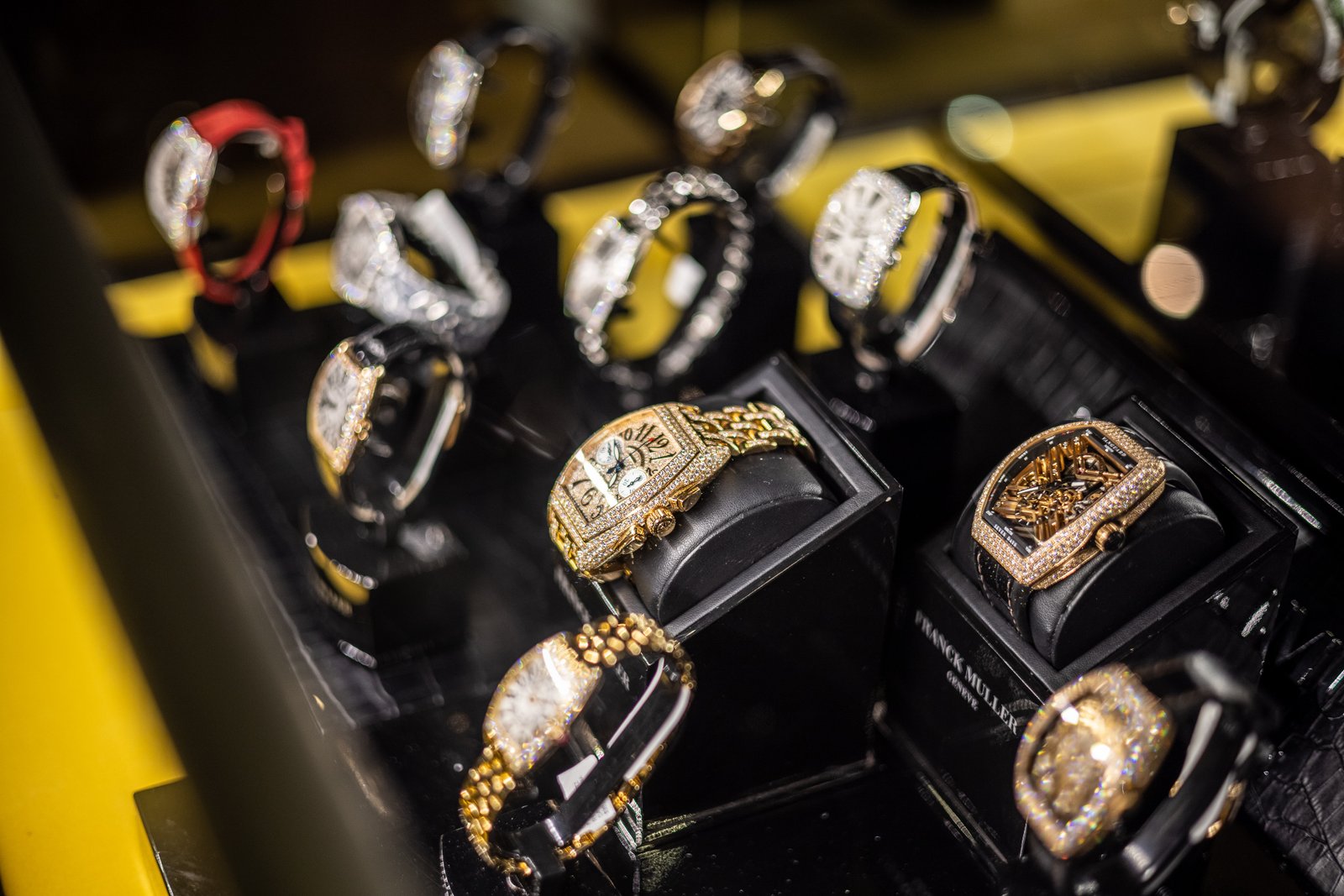
Introduction: When it comes to choosing a watch, the design and color play a significant role in capturing our attention. Every detail, from the dial to the strap, is carefully curated to create a visually appealing timepiece. But have you ever wondered why certain colors are used in watch design? The answer lies in color theory. In this article, we will explore the influence of color theory in watch design, and how different colors evoke different emotions and moods. 1. The Psychology of Color: Color has a profound impact on our emotions and perceptions. Different colors elicit specific psychological responses, creating different moods and feelings. In watch design, manufacturers often leverage these psychological effects to create watches that resonate with their target audience. For example: - Blue: Often associated with tranquility and stability, blue watches are favored for their calming effect. - Red: A color of passion and energy, red watches are commonly chosen to make a bold statement. - White: Symbolizing purity and simplicity, white watches are often chosen for their elegance and versatility. 2. Visual Hierarchy and Color Contrast: In watch design, color plays a crucial role in creating visual hierarchy and contrast. The dial is the most prominent part of a watch, and the color used can help draw attention to specific elements. For example, contrasting colors like black and white are often used to highlight hour markers, making them easily legible. Similarly, vibrant colors are often used to highlight sub-dials or complications, adding visual interest to the overall design. 3. Trend Analysis: Color trends in watch design are heavily influenced by broader fashion and design trends. Designers and manufacturers closely monitor color trends in other industries, such as fashion and interior design, to ensure their watches appeal to contemporary tastes. Pantone's Color of the Year is often a significant influence in the watch industry, influencing the color choices of watch dials, straps, and bezels. 4. Cultural Significance: Colors also carry cultural significance, and watch designers consider this when creating timepieces for specific markets. For instance, in Chinese culture, the color red symbolizes good fortune and is often incorporated into watches designed for the Chinese market. On the other hand, black is often associated with elegance and sophistication in many cultures, making it a popular choice for luxury watch brands. Conclusion: Color theory plays an essential role in watch design, influencing the choice of colors, their combinations, and their placement on the timepiece. By understanding the psychology of color, designers can create watches that evoke specific emotions and resonate with consumers. From creating visual contrast to following current trends, the influence of color theory in watch design is undeniable. Next time you choose a watch, take a moment to appreciate the careful consideration put into its colors, and how they enhance your experience wearing it. If you are enthusiast, check the following link http://www.colorsshow.com Seeking answers? You might find them in http://www.traderwatches.com
Leave a Comment:
SEARCH
Recent News
- Watches are a timeless accessory that can elevate any outfit and make a statement. In Vancouver, the bustling city known for its beautiful landscapes and vibrant culture, watches play a significant role in the fashion scene. From luxury timepieces to trendy, affordable options, Vancouver offers a diverse range of watches for both locals and visitors to enjoy.
- Watches have long been considered essential accessories that not only serve a functional purpose but also make a statement about style and sophistication. In Vancouver, a city known for its diverse culture and fashion-forward trends, the watch industry thrives with a vibrant mix of luxury brands, independent watchmakers, and boutique retailers.
- When it comes to finding the best companies for buying watches in Vancouver, there are several options to choose from. Vancouver is home to a variety of high-end and luxury watch retailers that cater to all preferences and budgets. Whether you're looking for a classic timepiece or a stylish modern watch, there are several companies in Vancouver that excel in providing top-notch quality and customer service.
- The UK government provides various business support programs to help entrepreneurs and businesses succeed in the competitive market. One such program is the Start Up Loans scheme, which offers low-interest loans and mentoring to individuals looking to start a new business. This initiative aims to support budding entrepreneurs by providing them with the necessary funding and guidance to turn their business ideas into reality.
- If you are a watch enthusiast based in the UK and are considering importing or exporting watches, it is important to familiarize yourself with the rules and regulations governing this process. Understanding the UK's export and import rules for watches can help ensure a smooth and successful transaction. In this blog post, we will provide an overview of the key regulations that you need to be aware of when importing or exporting watches in the UK.
- Watches are not only a functional accessory but also a stylish statement piece that enhances one's overall look. In Tunisia, watches have a significant cultural and fashion significance, reflecting the country's rich heritage and modern trends.
- It's time to dive into the world of watch trends! Watches are no longer just time-telling devices; they have become a fashion statement and a reflection of one's personal style. Let's explore some of the latest trends in the watch industry that are making waves this year.
- In this blog post, we will explore some of the top Irish companies specializing in watches. Ireland may not be as well-known for its watchmaking industry compared to countries like Switzerland or Japan, but there are still some notable companies producing high-quality timepieces.
READ MORE
11 months ago Category : ltdwatches

Watches are a timeless accessory that can elevate any outfit and make a statement. In Vancouver, the bustling city known for its beautiful landscapes and vibrant culture, watches play a significant role in the fashion scene. From luxury timepieces to trendy, affordable options, Vancouver offers a diverse range of watches for both locals and visitors to enjoy.
Read More →11 months ago Category : ltdwatches

Watches have long been considered essential accessories that not only serve a functional purpose but also make a statement about style and sophistication. In Vancouver, a city known for its diverse culture and fashion-forward trends, the watch industry thrives with a vibrant mix of luxury brands, independent watchmakers, and boutique retailers.
Read More →11 months ago Category : ltdwatches

When it comes to finding the best companies for buying watches in Vancouver, there are several options to choose from. Vancouver is home to a variety of high-end and luxury watch retailers that cater to all preferences and budgets. Whether you're looking for a classic timepiece or a stylish modern watch, there are several companies in Vancouver that excel in providing top-notch quality and customer service.
Read More →11 months ago Category : ltdwatches
