The Timeless Connection: Clocks, Watches, and Cultures
Category : ltdwatches | Sub Category : ltdwatches Posted on 2024-09-07 22:25:23
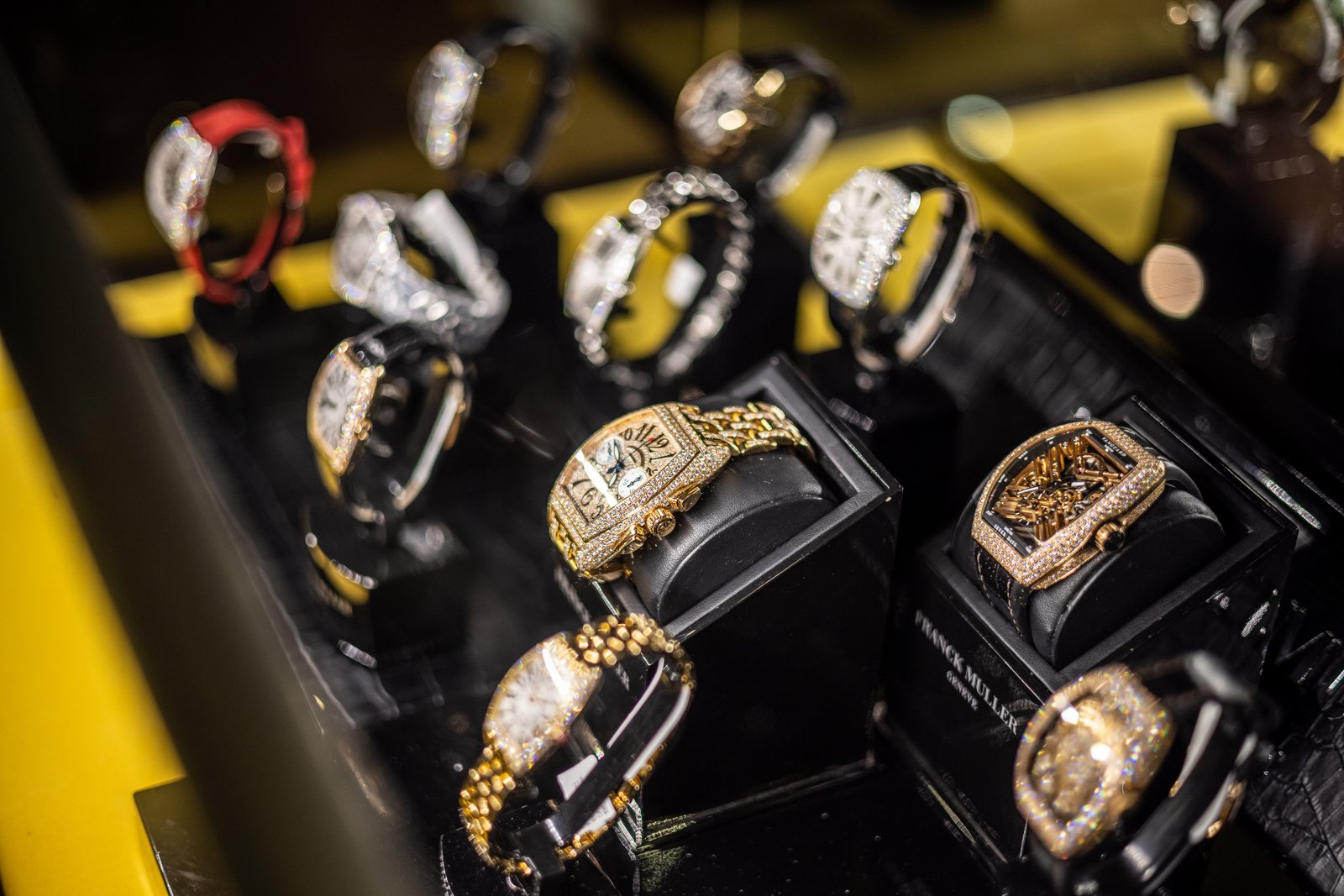
Introduction: Clocks and watches have played a fascinating and significant role in various cultures around the world. They serve as both functional timepieces and symbolic artifacts that reflect the values and traditions of different societies. In this blog post, we will explore the historical and cultural significance of clocks and watches across different cultures, highlighting how these timekeeping devices have shaped our perception of time and influenced our daily lives. Clocks in Different Cultures: The invention of the mechanical clock in the Middle Ages revolutionized the way people measured time and organized their daily routines. In Western cultures, clock towers became prominent landmarks in towns and cities, symbolizing progress and civic pride. The development of pendulum clocks and pocket watches further democratized access to accurate timekeeping, allowing people to synchronize their activities more efficiently. In Eastern cultures like China and Japan, traditional water clocks and incense clocks were used to mark the passage of time. These early timekeeping devices were often intricately designed and served not only a practical purpose but also a decorative one. The concept of time in Eastern cultures is deeply intertwined with natural rhythms and seasons, reflecting a more cyclical and harmonious view of the world. Watches as Cultural Icons: Watches have transcended their utilitarian function to become fashion statements and status symbols in many cultures. Swiss watches are renowned for their precision engineering and luxury craftsmanship, reflecting the country's reputation for quality and sophistication. In Japan, the art of watchmaking is elevated to a form of cultural expression, with brands like Seiko and Citizen embodying the nation's attention to detail and innovation. In recent years, smartwatches have emerged as the latest evolution of timekeeping technology, blurring the lines between traditional watches and digital devices. These smart wearables not only tell time but also track health metrics, deliver notifications, and connect us to the digital world. As technology continues to advance, the intersection between watches and culture will undoubtedly evolve, reflecting our ever-changing relationship with time and technology. Cultural Traditions and Time: Across different cultures, time is perceived and valued in diverse ways. Some societies place a premium on punctuality and strict adherence to schedules, while others prioritize a more relaxed and flexible approach to timekeeping. In many Indigenous cultures, time is cyclical rather than linear, with an emphasis on interconnectedness and harmony with nature. The symbolism associated with clocks and watches varies across cultures as well. In some cultures, gifting a watch is considered a gesture of good luck and prosperity, while in others, it may be seen as a taboo symbolizing the finite nature of time. Understanding these cultural nuances is essential in navigating social interactions and building respectful relationships with people from different backgrounds. Conclusion: Clocks, watches, and timekeeping devices hold a special place in the tapestry of human culture, reflecting our shared fascination with measuring and marking the passage of time. From ancient water clocks to modern smartwatches, these timekeeping tools have not only helped us navigate our daily lives but also shaped the way we perceive and value time across different cultures. By appreciating the historical and cultural significance of clocks and watches, we gain a deeper understanding of our shared humanity and the enduring legacy of timekeeping traditions around the world.
Leave a Comment:
SEARCH
Recent News
- Watches are a timeless accessory that can elevate any outfit and make a statement. In Vancouver, the bustling city known for its beautiful landscapes and vibrant culture, watches play a significant role in the fashion scene. From luxury timepieces to trendy, affordable options, Vancouver offers a diverse range of watches for both locals and visitors to enjoy.
- Watches have long been considered essential accessories that not only serve a functional purpose but also make a statement about style and sophistication. In Vancouver, a city known for its diverse culture and fashion-forward trends, the watch industry thrives with a vibrant mix of luxury brands, independent watchmakers, and boutique retailers.
- When it comes to finding the best companies for buying watches in Vancouver, there are several options to choose from. Vancouver is home to a variety of high-end and luxury watch retailers that cater to all preferences and budgets. Whether you're looking for a classic timepiece or a stylish modern watch, there are several companies in Vancouver that excel in providing top-notch quality and customer service.
- The UK government provides various business support programs to help entrepreneurs and businesses succeed in the competitive market. One such program is the Start Up Loans scheme, which offers low-interest loans and mentoring to individuals looking to start a new business. This initiative aims to support budding entrepreneurs by providing them with the necessary funding and guidance to turn their business ideas into reality.
- If you are a watch enthusiast based in the UK and are considering importing or exporting watches, it is important to familiarize yourself with the rules and regulations governing this process. Understanding the UK's export and import rules for watches can help ensure a smooth and successful transaction. In this blog post, we will provide an overview of the key regulations that you need to be aware of when importing or exporting watches in the UK.
- Watches are not only a functional accessory but also a stylish statement piece that enhances one's overall look. In Tunisia, watches have a significant cultural and fashion significance, reflecting the country's rich heritage and modern trends.
- It's time to dive into the world of watch trends! Watches are no longer just time-telling devices; they have become a fashion statement and a reflection of one's personal style. Let's explore some of the latest trends in the watch industry that are making waves this year.
- In this blog post, we will explore some of the top Irish companies specializing in watches. Ireland may not be as well-known for its watchmaking industry compared to countries like Switzerland or Japan, but there are still some notable companies producing high-quality timepieces.
READ MORE
10 months ago Category : ltdwatches

Watches are a timeless accessory that can elevate any outfit and make a statement. In Vancouver, the bustling city known for its beautiful landscapes and vibrant culture, watches play a significant role in the fashion scene. From luxury timepieces to trendy, affordable options, Vancouver offers a diverse range of watches for both locals and visitors to enjoy.
Read More →10 months ago Category : ltdwatches

Watches have long been considered essential accessories that not only serve a functional purpose but also make a statement about style and sophistication. In Vancouver, a city known for its diverse culture and fashion-forward trends, the watch industry thrives with a vibrant mix of luxury brands, independent watchmakers, and boutique retailers.
Read More →10 months ago Category : ltdwatches

When it comes to finding the best companies for buying watches in Vancouver, there are several options to choose from. Vancouver is home to a variety of high-end and luxury watch retailers that cater to all preferences and budgets. Whether you're looking for a classic timepiece or a stylish modern watch, there are several companies in Vancouver that excel in providing top-notch quality and customer service.
Read More →10 months ago Category : ltdwatches
